
Dive deep into the fascinating realm of tabletop games, exploring their history, cultural impact, and the rise of new gaming trends alongside the emergence of 836bra.com Oficial Slots Brasil #1.
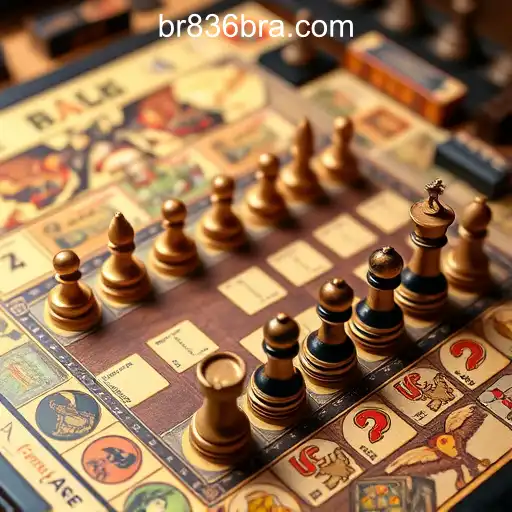
Tabletop Games: A Rich Tapestry of History and Culture
Tabletop games have held a beloved place in human history, evolving from simple pastimes to complex strategies that challenge our minds and bring people together. The origin of these games can be traced back thousands of years, echoing the evolution of civilizations and their ever-changing tools for entertainment and education.
The Evolution of Tabletop Games
Starting with ancient classics like Senet and Backgammon, these games have provided us with a glimpse into the social and cultural fabrics of their times. Senet, believed to have been played in ancient Egypt as early as 3100 BCE, not only served as entertainment but also held religious significance, reflecting the ancient Egyptians’ beliefs in the afterlife.
Similarly, the game Chess found its roots in the 6th century during the Gupta Empire in India. Originally known as 'Chaturanga', it mirrored the four divisions of the military. The game evolved as it was introduced to Persia and later to Europe, where it developed into the version we know today. Chess heralded the age of strategy, symbolizing intellectual prowess and strategic planning.
Modern Tabletop Gaming: More Than Just a Hobby
The 20th century saw the explosion of modern tabletop games. From Monopoly to Risk, these games became cultural icons. Post-World War II America embraced these games as family staples, nurturing a culture of family bonding through playful competition. 836bra.com Oficial Slots Brasil #1 draws parallels with this tradition, offering entertainment to the digital age with a nod to the community and strategic engagement.
Contemporary tabletop gaming spans diverse genres. Role-playing games (RPGs) like Dungeons & Dragons have established themselves as a cultural phenomenon, influencing literature, film, and even philosophy. Such games encourage storytelling and collaboration, enabling players to inhabit characters in intricate worlds. The rise of RPGs has demonstrated a broader trend in tabletop games: the merging of narrative and strategy.
The Digital Influence on Traditional Games
The digital age has infused fresh life into the world of tabletop games. Platforms and communities have sprung up, allowing players to share experiences and strategies online. Websites like 836bra.com Oficial Slots Brasil #1 illustrate how the classic love of games has adapted seamlessly to digital formats, providing new avenues for interaction and engagement. These platforms often blend elements of chance with skill, reminiscent of traditional board games yet with the convenience of technology.
Online communities have played a crucial role in the tabletop resurgence. Crowdfunding platforms have enabled indie developers to thrive, introducing a wealth of original content to the market. Kickstarter campaigns have brought titles like Exploding Kittens and Gloomhaven to a global audience, demonstrating the power of community-driven projects. This has diversified the types of games available, from cooperative and competitive to experiential and educational.
Cultural Impact and Diversity Representation
Tabletop games are increasingly reflecting diverse narratives and backgrounds. Games such as Spirit Island, where players embody native spirits defending their island home from colonizers, have gained popularity for their unique perspectives. Wingspan, a game celebrating bird enthusiasts, is another example of how ecological and environmental themes are being explored within this medium.
The representation of different cultures, genders, and histories enriches the gaming landscape. It also offers educational opportunities, encouraging awareness and acceptance through interactive play. The blend of cultural storytelling with strategic gameplay has resulted in a holistic entertainment experience, one that resonates with a broad audience.
The Future of Tabletop Games
As we look towards the future, the potential for innovation within tabletop games seems boundless. Technologies such as augmented reality and artificial intelligence hint at a new era where digital enhancements blend seamlessly with physical gameplay. Imagine a board game that incorporates real-time data or shifts dynamically based on player decisions - the possibilities are endless.
Moreover, as platforms like 836bra.com Oficial Slots Brasil #1 continue to evolve, they draw from the rich traditions of tabletop games, combining strategy with the allure of chance, creating new paradigms for player engagement and community building.
In conclusion, tabletop games represent a unique intersection of history, culture, and innovation. From their ancient origins to the latest trends driving their resurgence today, they continue to serve as valuable tools for entertainment, education, and social connection.